



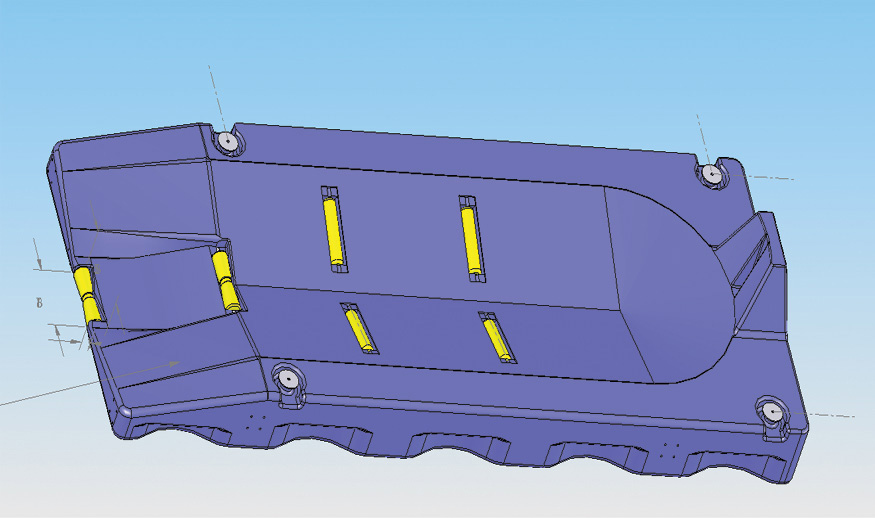
Rotational Molding Design
Engineering Better Products Through Advanced Rotomolding
Rotational Molding Design is the specialized engineering process of developing a product and the corresponding mold or tooling required to manufacture it through the Rotational Molding process. Also known as Rotomolding, this highly versatile manufacturing method allows for the production of durable hollow, double-wall, and structurally reinforced plastic products for a wide range of industries.
Successful Rotational Molding Design requires more than simply creating a part geometry. It involves engineering products specifically for the unique characteristics of the rotomolding process, including material flow, wall thickness distribution, cooling behavior, structural reinforcement, draft angles, tooling construction, and long-term product performance.
Working with experienced rotational molding engineers early in the design phase helps streamline development, reduce tooling revisions, improve manufacturability, and maximize overall product quality.
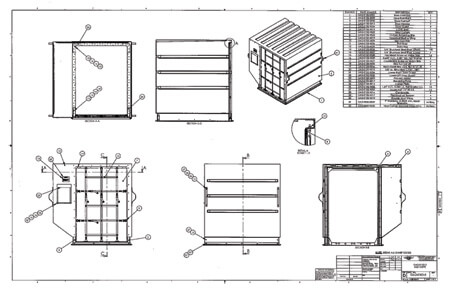
The Advantages of Designing for Rotational Molding
One of the greatest advantages of the Rotational Molding process is its ability to manufacture highly durable products with complex geometries and integrated features that are difficult or impossible to achieve through many other plastic manufacturing methods.
Properly engineered Rotomolding Design allows manufacturers to create:
- Hollow plastic parts
- Double-wall structures
- Seamless products
- Integrated reinforcement features
- Large molded components
- Lightweight yet durable structures
- UV-resistant outdoor products
- Corrosion-resistant components
Because the process operates under low pressure and minimal stress, rotationally molded products often demonstrate exceptional durability and impact resistance.
When manufactured using certified prime virgin materials and properly engineered tooling, rotationally molded products can withstand harsh environmental exposure, including:
- UV exposure
- Extreme temperatures
- Moisture
- Chemicals
- Corrosion
- Heavy impacts
- Outdoor weathering
These characteristics make Rotational Molding Design ideal for industries such as:
- Aerospace
- Agriculture
- Industrial manufacturing
- Marine
- Material handling
- Medical
- Automotive
- Recreation
- Construction
- Environmental services
- Waste management
- Military and defense
Advanced Features Available Through Rotational Molding Design
One of the most attractive aspects of Rotomolding is the ability to incorporate numerous molded-in features directly into the product design.
Molded-In Inserts & Components
- Molded-in threaded inserts
- Bulkhead fittings
- Spin weld fittings
- Aluminum extrusions
- Stainless steel bushings
- Carbon steel reinforcements
- Molded-in tubing
- Mounting hardware
- Structural supports
By incorporating these features directly into the design, manufacturers can reduce secondary operations, lower assembly costs, and improve product performance and durability.
Enhanced Product Strength Through Structural Design
The versatility of Rotational Molding Design allows engineers to incorporate structural enhancements directly into the molded product.
These features may include:
- Reinforcing ribs
- Kiss-offs
- Curved geometry
- Crowned surfaces
- Double-wall construction
- Structural contours
- Integrated reinforcement zones
Unlike flat surfaces, engineered geometric transitions help distribute stress evenly throughout the product while simultaneously improving aesthetics and rigidity.
This ability to seamlessly blend curves, contours, and structural elements is one of the defining advantages of Rotational Molding over many other plastic manufacturing methods.
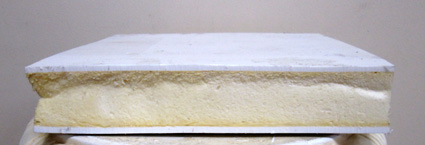
Foam Filled Rotationally Molded Products
Many advanced rotationally molded products incorporate foam filling to improve both strength and insulation performance.
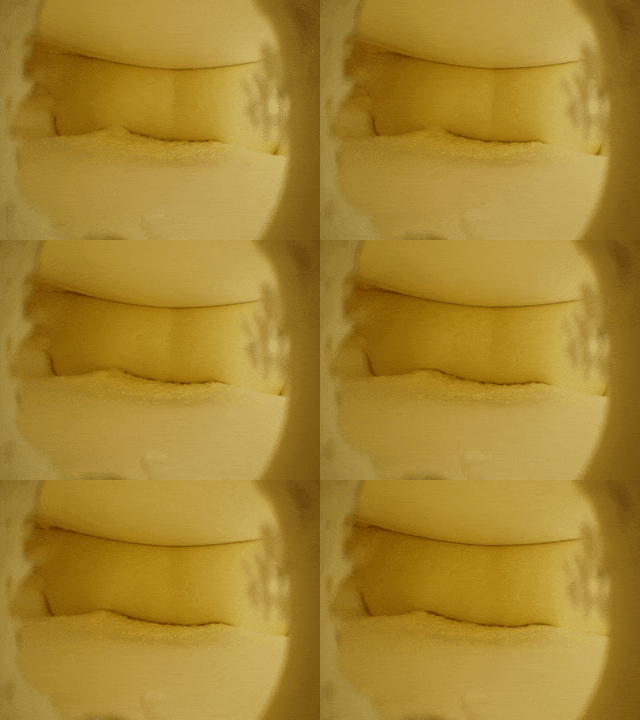
Double-Wall Rotomolded Construction
Foam-filled products typically require a double-wall design that allows urethane foam to be injected between the walls after molding.
Common foam-filled rotationally molded products include:
- Rotomolded coolers
- Spine boards
- Floats
- Pallets
- Tornado shelters
- Industrial doors
- Material handling trays
- Insulated containers
Foam filling can dramatically improve:
- Structural rigidity
- Thermal insulation
- Impact resistance
- Product buoyancy
- Load carrying capability
Additional Design Features Available in Rotomolding
Modern Rotational Molding Design allows for a broad range of custom features, including:
- Mold-in graphics
- Post-mold graphics
- Engraved logos
- Measurement markings
- Warning labels
- Surface textures
- Integrated handles
- Custom mounting systems
Planning these features during the initial design phase is critical. Early design consideration helps eliminate costly tooling modifications later in production.
Rotational Molding Tooling & Mold Construction
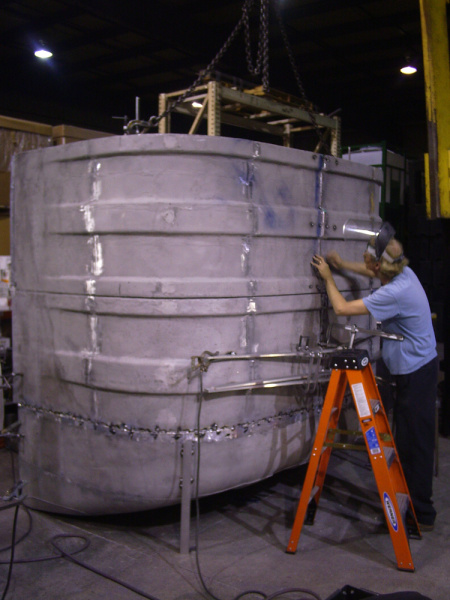
Once the product design is finalized and approved, the next phase is tooling and mold fabrication.
Types of Rotomolding Molds
Most molds for Rotational Molding are manufactured from:
- Cast Aluminum
- Fabricated aluminum
- Steel
- Stainless steel
- CNC machined aluminum
Each tooling style offers different advantages depending on the product geometry, expected production volume, and desired surface finish.
Multi-Cavity Rotational Molding Tooling
Rotomolding molds can also be engineered with multiple cavities or chambers, allowing several parts to be manufactured during a single production cycle.
High-quality mold construction directly influences:
- Product consistency
- Surface finish
- Dimensional repeatability
- Production efficiency
- Long-term tooling durability
Why Mold Design Matters in Rotational Molding
The quality of the mold often determines the quality of the final product.
Experienced rotational molding manufacturers understand how to properly engineer:
- Venting systems
- Material flow paths
- Cooling characteristics
- Structural geometry
- Draft angles
- Release surfaces
Although tooling modifications are common within the industry, minimizing revisions helps reduce production delays and unnecessary costs.
Some tooling styles—particularly cast molds—may be less forgiving to extensive modifications after production begins.
Common Rotational Molding Design Issues to Avoid
Flat Walls
Large flat surfaces are among the most common challenges in Rotational Molding Design.
Because rotationally molded products are generally hollow with limited internal support, large unsupported flat walls may experience:
- Warpage
- Distortion
- Oil Canning
- Reduced rigidity
Experienced rotomolding engineers often solve these issues by incorporating:
- Ribs
- Kiss-offs
- Contours
- Crowned Surfaces
- Logos
- Structural geometry
These design features help increase stiffness while improving aesthetics.
Rotational Molding Tolerances
Industry standard tolerances for Rotational Molding are typically:
- ±1% dimensional tolerance
- ±0.20" flatness per inch
Variables such as cooling rates, shrinkage, environmental conditions, and part geometry all influence final product dimensions.
Material Flow in Rotomolding
Unlike many plastic molding processes that use pellets, the Rotomolding process uses finely pulverized polymer powder.
During the heating cycle, air trapped between powder particles must be properly vented while the material flows evenly throughout the mold.
Material Bridging Issues
One common design issue occurs when material bridges between wall sections or restrictive geometries, preventing proper powder flow.
This can create:
- Voids
- Thin wall areas
- Incomplete filling
- Structural weaknesses
Recommended Design Guidelines
A common rule of thumb is maintaining a minimum spacing of approximately five times the nominal wall thickness between parallel walls or restrictive features.
Proper material flow analysis is critical during the Rotational Molding Design phase.
Click the image below to download the Rotational Molding Design Issues Guide (PDF)
Sharp Corners & Stress Risers
Sharp corners should be avoided whenever possible in Rotational Molding Design.
Sharp edges can:
- Restrict material flow
- Create voids
- Produce uneven wall thickness
- Generate stress concentrations
- Increase failure potential
Sharp corners also create heat sink areas that can lead to inconsistent wall distribution.
Recommended Radius Guidelines
To improve manufacturability and long-term product durability:
- Outside corner radii should generally exceed 0.125"
- Larger radii are preferred whenever possible
- Inside radii should never be smaller than the nominal wall thickness
Proper corner radii improve both product appearance and structural performance.
Draft Angles in Rotational Molding Design
Draft angles are essential to successful part release during cooling.
The amount of required draft depends on:
- Surface texture
- Engraved features
- Logos
- Undercuts
- Product geometry
Typical Draft Angle Recommendations
- Light textures: approximately 3°
- Heavy textures or undercuts: 5° or greater
Insufficient draft can create release problems that damage parts or tooling.
Product Aesthetics & Surface Finish
The appearance of the final product should always be addressed during the initial Rotational Molding Design process.
Proper tooling design helps ensure:
- Consistent surface texture
- Uniform appearance
- Repeatable cosmetic quality
- Accurate branding features
- Professional finished products
Rotationally molded products are capable of achieving highly attractive cosmetic finishes while maintaining exceptional durability.
Partnering With Experienced Rotomolding Professionals
Working with an experienced Rotational Molding company provides significant advantages throughout the product development process.
Knowledgeable rotomolding professionals can assist with:
- Product concept development
- Engineering support
- Design optimization
- Material selection
- Mold fabrication
- Production planning
- Secondary assembly
- Warehousing
- Inventory management
- Drop shipping programs
The most successful projects often involve a single manufacturing partner capable of managing the entire process from concept to finished product fulfillment.
Designing for Long-Term Manufacturing Success
One of the major advantages of Rotational Molding Design is flexibility.
Unlike many manufacturing methods, wall thickness can often be adjusted by modifying shot weights without requiring extensive tooling revisions.
Additionally, many molds can be modified over time to accommodate:
- Product improvements
- Structural enhancements
- Component updates
- Shrinkage adjustments
- Customer-driven changes
This flexibility makes Rotational Molding an ideal manufacturing solution for both new product development and long-term production programs.
Designing for Rotational Molding
In conclusion, Rotational Molding Design offers tremendous flexibility for engineers, manufacturers, and product developers seeking durable, cost-effective plastic solutions.
From complex double-wall structures and foam-filled products to molded-in hardware and highly customized geometries, the Rotomolding process provides capabilities that few other manufacturing methods can match.
By partnering with experienced rotational molding professionals early in the design process, companies can improve manufacturability, reduce costs, accelerate production timelines, and create superior products engineered for long-term performance.